


Page 447 - Planning and Design of Airports
P. 447
Planning and Design of the Terminal Ar ea    387


                                         Passenger terminal system


                     Access/Egress  Access/  Processing  Processing/  Flight
                                Processing            Flight
                                Interface             Interface
                     Driving    Enplaning  Ticketing  Assembling  Flying
                     Riding     Deplaning  Checking in baggage  Waiting
                     Transferring  Parking  Checking passport  Loading
                                Circulating  Claiming baggage  Unloading
              Activity
                                           Checking customs

                     Highway    Enplane curb  Ticket counter  Hold room  Aircraft
                     Rail right of way  Deplane curb  Baggage deposit  Waiting lounge
                     Transfer station  Parking garage  Passport counter  Mobile lounge
                     Auto       Transit platform  Bag claim device  Bus
            Physical facility
                     Taxi                  Customs counter  Loading bridge
                     Bus                              Stair/ramp
                     Train/transit
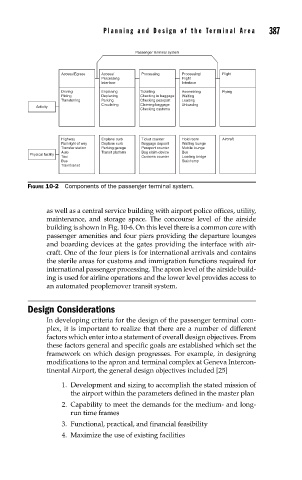
            FIGURE 10-2  Components of the passenger terminal system.


                 as well as a central service building with airport police offices, utility,
                 maintenance, and storage space. The concourse level of the airside
                 building is shown in Fig. 10-6. On this level there is a common core with
                 passenger amenities and four piers providing the departure lounges
                 and boarding devices at the gates providing the interface with air-
                 craft. One of the four piers is for international arrivals and contains
                 the sterile areas for customs and immigration functions required for
                 international passenger processing. The apron level of the airside build-
                 ing is used for airline operations and the lower level provides access to
                 an automated peoplemover transit system.


            Design Considerations
                 In developing criteria for the design of the passenger terminal com-
                 plex, it is important to realize that there are a number of different
                 factors which enter into a statement of overall design objectives. From
                 these factors general and specific goals are established which set the
                 framework on which design progresses. For example, in designing
                 modifications to the apron and terminal complex at Geneva Intercon-
                 tinental Airport, the general design objectives included [25]
                      1.  Development and sizing to accomplish the stated mission of
                        the airport within the parameters defined in the master plan
                      2.  Capability to meet the demands for the medium- and long-
                        run time frames
                      3.  Functional, practical, and financial feasibility
                      4.  Maximize the use of existing facilities

