


Page 194 - Sedimentology and Stratigraphy
P. 194
Types of Delta   181


                                                         " #


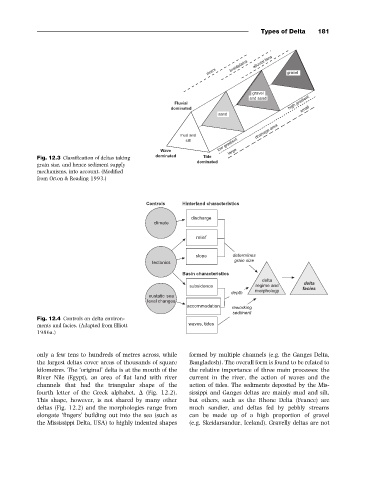
                 Fig. 12.3 Classification of deltas taking

                 grain size, and hence sediment supply
                 mechanisms, into account. (Modified
                 from Orton & Reading 1993.)


                                                 &          $


                                                            %


                 Fig. 12.4 Controls on delta environ-

                 ments and facies. (Adapted from Elliott
                 1986a.)
                 only a few tens to hundreds of metres across, while  formed by multiple channels (e.g. the Ganges Delta,
                 the largest deltas cover areas of thousands of square  Bangladesh). The overall form is found to be related to
                 kilometres. The ‘original’ delta is at the mouth of the  the relative importance of three main processes: the
                 River Nile (Egypt), an area of flat land with river  current in the river, the action of waves and the
                 channels that had the triangular shape of the  action of tides. The sediments deposited by the Mis-
                 fourth letter of the Greek alphabet, D (Fig. 12.2).  sissippi and Ganges deltas are mainly mud and silt,
                 This shape, however, is not shared by many other  but others, such as the Rhone Delta (France) are
                 deltas (Fig. 12.2) and the morphologies range from  much sandier, and deltas fed by pebbly streams
                 elongate ‘fingers’ building out into the sea (such as  can be made up of a high proportion of gravel
                 the Mississippi Delta, USA) to highly indented shapes  (e.g. Skeidarsandur, Iceland). Gravelly deltas are not

