


Page 389 -
P. 389
372   Chapter 14   Security engineering


                                        Asset Representation
                                          and Organization


                                                      Asset Value                         Exposure
                                                      Assessment                         Assessment


                                                        Threat           Attack
                                                     Identification    Assessment


                                                      Technology         Control         Design and
                                                       Choices         Identification   Requirements
                                                                                          Changes

                                                                        Available
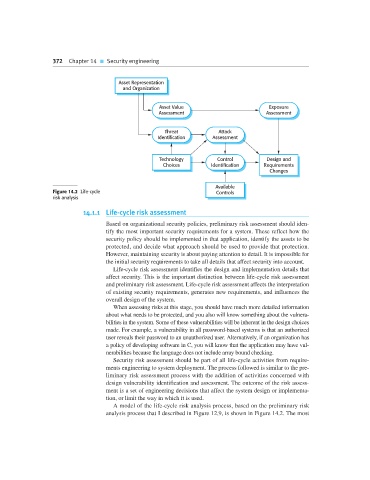
                  Figure 14.2 Life-cycle                                 Controls
                  risk analysis

                             14.1.1 Life-cycle risk assessment

                                    Based on organizational security policies, preliminary risk assessment should iden-
                                    tify the most important security requirements for a system. These reflect how the
                                    security policy should be implemented in that application, identify the assets to be
                                    protected, and decide what approach should be used to provide that protection.
                                    However, maintaining security is about paying attention to detail. It is impossible for
                                    the initial security requirements to take all details that affect security into account.
                                      Life-cycle risk assessment identifies the design and implementation details that
                                    affect security. This is the important distinction between life-cycle risk assessment
                                    and preliminary risk assessment. Life-cycle risk assessment affects the interpretation
                                    of existing security requirements, generates new requirements, and influences the
                                    overall design of the system.
                                      When assessing risks at this stage, you should have much more detailed information
                                    about what needs to be protected, and you also will know something about the vulnera-
                                    bilities in the system. Some of these vulnerabilities will be inherent in the design choices
                                    made. For example, a vulnerability in all password-based systems is that an authorized
                                    user reveals their password to an unauthorized user. Alternatively, if an organization has
                                    a policy of developing software in C, you will know that the application may have vul-
                                    nerabilities because the language does not include array bound checking.
                                      Security risk assessment should be part of all life-cycle activities from require-
                                    ments engineering to system deployment. The process followed is similar to the pre-
                                    liminary risk assessment process with the addition of activities concerned with
                                    design vulnerability identification and assessment. The outcome of the risk assess-
                                    ment is a set of engineering decisions that affect the system design or implementa-
                                    tion, or limit the way in which it is used.
                                      A model of the life-cycle risk analysis process, based on the preliminary risk
                                    analysis process that I described in Figure 12.9, is shown in Figure 14.2. The most

