


Page 575 - Materials Chemistry, Second Edition
P. 575
CAT3525_C18.qxd  1/27/2005  12:47 PM  Page 546
                       546                       Waste Management Practices: Municipal, Hazardous, and Industrial


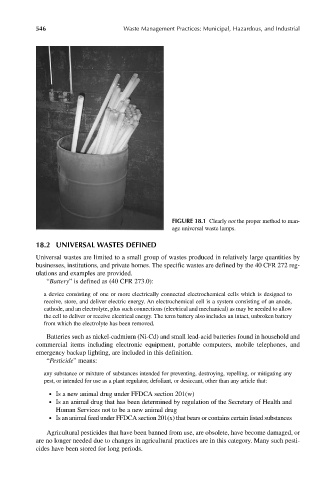
                                                               FIGURE 18.1 Clearly not the proper method to man-
                                                               age universal waste lamps.

                       18.2 UNIVERSAL WASTES DEFINED
                       Universal wastes are limited to a small group of wastes produced in relatively large quantities by
                       businesses, institutions, and private homes. The specific wastes are defined by the 40 CFR 272 reg-
                       ulations and examples are provided.
                          “Battery” is defined as (40 CFR 273.0):
                         a device consisting of one or more electrically connected electrochemical cells which is designed to
                         receive, store, and deliver electric energy. An electrochemical cell is a system consisting of an anode,
                         cathode, and an electrolyte, plus such connections (electrical and mechanical) as may be needed to allow
                         the cell to deliver or receive electrical energy. The term battery also includes an intact, unbroken battery
                         from which the electrolyte has been removed.
                          Batteries such as nickel-cadmium (Ni-Cd) and small lead-acid batteries found in household and
                       commercial items including electronic equipment, portable computers, mobile telephones, and
                       emergency backup lighting, are included in this definition.
                          “Pesticide” means:
                         any substance or mixture of substances intended for preventing, destroying, repelling, or mitigating any
                         pest, or intended for use as a plant regulator, defoliant, or desiccant, other than any article that:

                           ● Is a new animal drug under FFDCA section 201(w)
                           ● Is an animal drug that has been determined by regulation of the Secretary of Health and
                             Human Services not to be a new animal drug
                           ● Is an animal feed under FFDCA section 201(x) that bears or contains certain listed substances

                          Agricultural pesticides that have been banned from use, are obsolete, have become damaged, or
                       are no longer needed due to changes in agricultural practices are in this category. Many such pesti-
                       cides have been stored for long periods.

