


Page 148 - Robot Builder's Bonanza
P. 148
THE METALSMITH’S ART    117


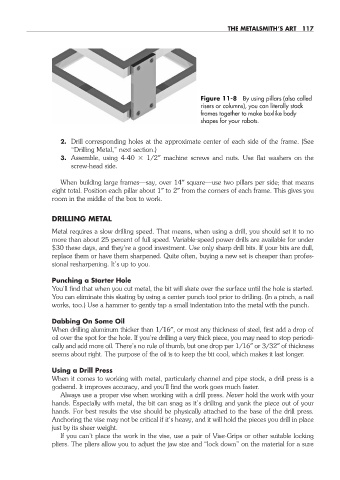
                                                             Figure 11-8  By using pillars (also called
                                                             risers or columns), you can literally stack
                                                             frames together to make boxlike body
                                                             shapes for your robots.


                     2.  Drill corresponding holes at the approximate center of each side of the frame. (See
                        “Drilling Metal,” next section.)
                     3.  Assemble, using 4-40    1/2″ machine screws and nuts. Use flat washers on the
                          screw- head side.

                     When building large  frames— say, over 14″  square— use two pillars per side; that means
                   eight total. Position each pillar about 1″ to 2″ from the corners of each frame. This gives you
                   room in the middle of the box to work.

                   DRILLING METAL

                   Metal requires a slow drilling speed. That means, when using a drill, you should set it to no
                   more than about 25 percent of full speed.  Variable- speed power drills are available for under
                   $30 these days, and they’re a good investment. Use only sharp drill bits. If your bits are dull,
                   replace them or have them sharpened. Quite often, buying a new set is cheaper than profes-
                   sional resharpening. It’s up to you.

                   Punching a Starter Hole
                   You’ll find that when you cut metal, the bit will skate over the surface until the hole is started.
                   You can eliminate this skating by using a center punch tool prior to drilling. (In a pinch, a nail
                   works, too.) Use a hammer to gently tap a small indentation into the metal with the punch.

                   Dabbing On Some Oil
                   When drilling aluminum thicker than 1/16″, or most any thickness of steel, first add a drop of
                   oil over the spot for the hole. If you’re drilling a very thick piece, you may need to stop periodi-
                   cally and add more oil. There’s no rule of thumb, but one drop per 1/16″ or 3/32″ of thickness
                   seems about right. The purpose of the oil is to keep the bit cool, which makes it last longer.

                   Using a Drill Press
                   When it comes to working with metal, particularly channel and pipe stock, a drill press is a
                   godsend. It improves accuracy, and you’ll find the work goes much faster.
                     Always use a proper vise when working with a drill press. Never hold the work with your
                   hands. Especially with metal, the bit can snag as it’s drilling and yank the piece out of your
                   hands. For best results the vise should be physically attached to the base of the drill press.
                   Anchoring the vise may not be critical if it’s heavy, and it will hold the pieces you drill in place
                   just by its sheer weight.
                     If you can’t place the work in the vise, use a pair of  Vise- Grips or other suitable locking
                   pliers. The pliers allow you to adjust the jaw size and “lock down” on the material for a sure


 11-chapter-11.indd   117                                                                   4/21/11   11:45 AM

