


Page 161 - Social Marketing for Public Health Global Trends and Success Stories
P. 161
57977_CH06_final.qxd:Cheng  11/5/09  4:39 PM  Page 134


                134    CHAPTER 6  ■ Increasing School Meal Uptake in a Deprived Region in England


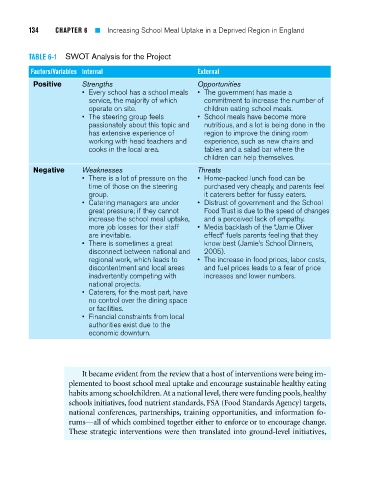
                TABLE 6-1    SWOT Analysis for the Project
                 Factors/Variables Internal                   External
                 Positive     Strengths                       Opportunities
                              • Every school has a school meals  • The government has made a
                                service, the majority of which   commitment to increase the number of
                                operate on site.               children eating school meals.
                              • The steering group feels      • School meals have become more
                                passionately about this topic and   nutritious, and a lot is being done in the
                                has extensive experience of    region to improve the dining room
                                working with head teachers and   experience, such as new chairs and
                                cooks in the local area.       tables and a salad bar where the
                                                               children can help themselves.
                 Negative     Weaknesses                      Threats
                              • There is a lot of pressure on the   • Home-packed lunch food can be
                                time of those on the steering   purchased very cheaply, and parents feel
                                group.                         it caterers better for fussy eaters.
                              • Catering managers are under   • Distrust of government and the School
                                great pressure; if they cannot   Food Trust is due to the speed of changes
                                increase the school meal uptake,   and a perceived lack of empathy.
                                more job losses for their staff   • Media backlash of the “Jamie Oliver
                                are inevitable.                effect” fuels parents feeling that they
                              • There is sometimes a great     know best (Jamie’s School Dinners,
                                disconnect between national and   2005).
                                regional work, which leads to   • The increase in food prices, labor costs,
                                discontentment and local areas  and fuel prices leads to a fear of price
                                inadvertently competing with   increases and lower numbers.
                                national projects.
                              • Caterers, for the most part, have
                                no control over the dining space
                                or facilities.
                              • Financial constraints from local
                                authorities exist due to the
                                economic downturn.


                              It became evident from the review that a host of interventions were being im-
                           plemented to boost school meal uptake and encourage sustainable healthy eating
                           habits among schoolchildren. At a national level, there were funding pools, healthy
                           schools initiatives, food nutrient standards, FSA (Food Standards Agency) targets,
                           national conferences, partnerships, training opportunities, and information fo-
                           rums—all of which combined together either to enforce or to encourage change.
                           These strategic interventions were then translated into ground-level initiatives,

