


Page 282 - Bruce Ellig - The Complete Guide to Executive Compensation (2007)
P. 282
268               The Complete Guide to Executive Compensation


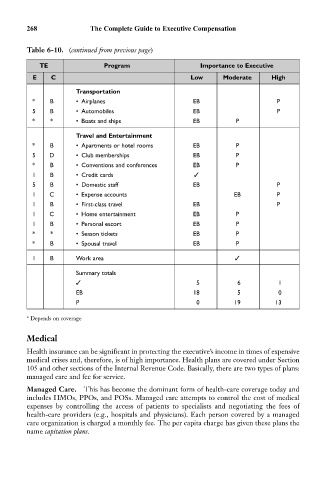
            Table 6-10. (continued from previous page)
               TE                 Program                    Importance to Executive
             E     C                                      Low       Moderate      High

                          Transportation
             *    B       • Airplanes                      EB                      P
             5    B       • Automobiles                    EB                      P
             *    *       • Boats and ships                EB          P

                          Travel and Entertainment
             *    B       • Apartments or hotel rooms      EB          P
             5    D       • Club memberships               EB          P
             *    B       • Conventions and conferences    EB          P
             1    B       • Credit cards
             5    B       • Domestic staff                 EB                      P
             1    C       • Expense accounts                           EB          P
             1    B       • First-class travel             EB                      P
             1    C       • Home entertainment             EB          P
             1    B       • Personal escort                EB          P
             *    *       • Season tickets                 EB          P
             *    B       • Spousal travel                 EB          P

             1    B       Work area
                          Summary totals
                                                            5           6           1
                          EB                               18           5           0
                          P                                 0          19          13

            * Depends on coverage

            Medical
            Health insurance can be significant in protecting the executive’s income in times of expensive
            medical crises and, therefore, is of high importance. Health plans are covered under Section
            105 and other sections of the Internal Revenue Code. Basically, there are two types of plans:
            managed care and fee for service.
            Managed Care.   This has become the dominant form of health-care coverage today and
            includes HMOs, PPOs, and POSs. Managed care attempts to control the cost of medical
            expenses by controlling the access of patients to specialists and negotiating the fees of
            health-care providers (e.g., hospitals and physicians). Each person covered by a managed
            care organization is charged a monthly fee. The per capita charge has given these plans the
            name capitation plans.

