


Page 278 - The Handbook of Persuasion and Social Marketing
P. 278
254                           The Handbook of Persuasion and Social Marketing


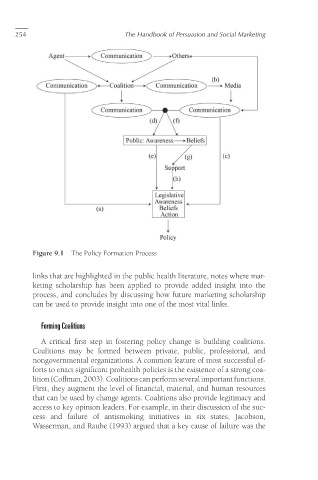
            Figure 9.1  The Policy Formation Process


            links that are highlighted in the public health literature, notes where mar-
            keting  scholarship  has  been  applied  to  provide  added  insight  into  the
            process, and concludes by discussing how future marketing scholarship
            can be used to provide insight into one of the most vital links.


              Forming Coalitions
              A critical first step in fostering policy change is building coalitions.
            Coalitions  may be formed  between private,  public, professional, and
            nongovernmental organizations. A common feature of most successful ef-
            forts to enact significant prohealth policies is the existence of a strong coa-
            lition (Coffman, 2003). Coalitions can perform several important functions.
            First, they augment the level of financial, material, and human resources
            that can be used by change agents. Coalitions also provide legitimacy and
            access to key opinion leaders. For example, in their discussion of the suc-
            cess and failure of antismoking initiatives  in six states, Jacobson,
            Wasserman, and Raube (1993) argued that a key cause of failure was the

