


Page 194 - Wastewater Solids Incineration Systems
P. 194
Emission Control and Monitoring         161


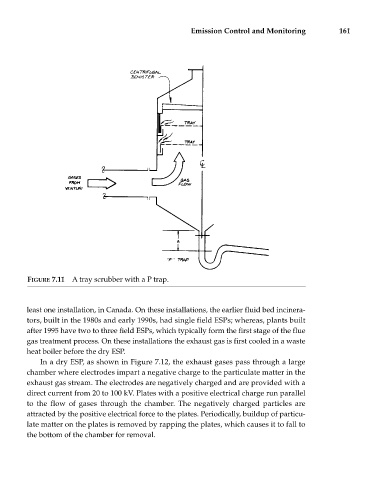
             FIGURE 7.11  A tray scrubber with a P trap.


             least one installation, in Canada. On these installations, the earlier fluid bed incinera-
             tors, built in the 1980s and early 1990s, had single field ESPs; whereas, plants built
             after 1995 have two to three field ESPs, which typically form the first stage of the flue
             gas treatment process. On these installations the exhaust gas is first cooled in a waste
             heat boiler before the dry ESP.
                 In a dry ESP, as shown in Figure 7.12, the exhaust gases pass through a large
             chamber where electrodes impart a negative charge to the particulate matter in the
             exhaust gas stream. The electrodes are negatively charged and are provided with a
             direct current from 20 to 100 kV. Plates with a positive electrical charge run parallel
             to the flow of gases through the chamber. The negatively charged particles are
             attracted by the positive electrical force to the plates. Periodically, buildup of particu-
             late matter on the plates is removed by rapping the plates, which causes it to fall to
             the bottom of the chamber for removal.

