


Page 307 - Alternative Energy Systems in Building Design
P. 307
WIND TURBINE ENERGY ECONOMICS   281


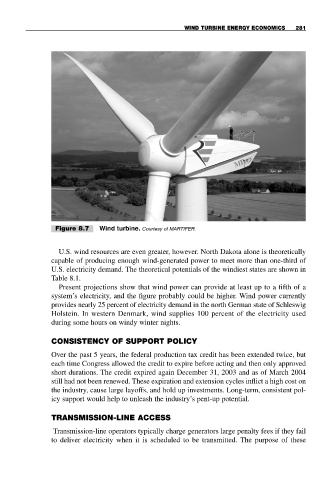
                        Figure 8.7  Wind turbine. Courtesy of MARTIFER.


                         U.S. wind resources are even greater, however. North Dakota alone is theoretically
                       capable of producing enough wind-generated power to meet more than one-third of
                       U.S. electricity demand. The theoretical potentials of the windiest states are shown in
                       Table 8.1.
                         Present projections show that wind power can provide at least up to a fifth of a
                       system’s electricity, and the figure probably could be higher. Wind power currently
                       provides nearly 25 percent of electricity demand in the north German state of Schleswig
                       Holstein. In western Denmark, wind supplies 100 percent of the electricity used
                       during some hours on windy winter nights.

                       CONSISTENCY OF SUPPORT POLICY
                       Over the past 5 years, the federal production tax credit has been extended twice, but
                       each time Congress allowed the credit to expire before acting and then only approved
                       short durations. The credit expired again December 31, 2003 and as of March 2004
                       still had not been renewed. These expiration and extension cycles inflict a high cost on
                       the industry, cause large layoffs, and hold up investments. Long-term, consistent pol-
                       icy support would help to unleash the industry’s pent-up potential.


                       TRANSMISSION-LINE ACCESS
                       Transmission-line operators typically charge generators large penalty fees if they fail
                       to deliver electricity when it is scheduled to be transmitted. The purpose of these

