


Page 514 - Construction Waterproofing Handbook
P. 514
14.12   CHAPTER FOURTEEN


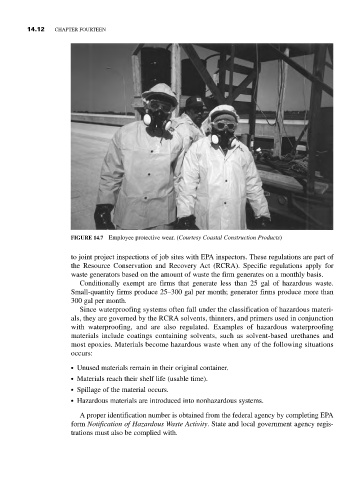
                      FIGURE 14.7 Employee protective wear. (Courtesy Coastal Construction Products)

                      to joint project inspections of job sites with EPA inspectors. These regulations are part of
                      the Resource Conservation and Recovery Act (RCRA). Specific regulations apply for
                      waste generators based on the amount of waste the firm generates on a monthly basis.
                         Conditionally exempt are firms that generate less than 25 gal of hazardous waste.
                      Small-quantity firms produce 25–300 gal per month; generator firms produce more than
                      300 gal per month.
                         Since waterproofing systems often fall under the classification of hazardous materi-
                      als, they are governed by the RCRA solvents, thinners, and primers used in conjunction
                      with waterproofing, and are also regulated. Examples of hazardous waterproofing
                      materials include coatings containing solvents, such as solvent-based urethanes and
                      most epoxies. Materials become hazardous waste when any of the following situations
                      occurs:
                      ● Unused materials remain in their original container.
                      ● Materials reach their shelf life (usable time).
                      ● Spillage of the material occurs.
                      ● Hazardous materials are introduced into nonhazardous systems.

                         A proper identification number is obtained from the federal agency by completing EPA
                      form Notification of Hazardous Waste Activity. State and local government agency regis-
                      trations must also be complied with.

