


Page 407 - Cultures and Organizations
P. 407
372   CULTURES IN ORGANIZATIONS


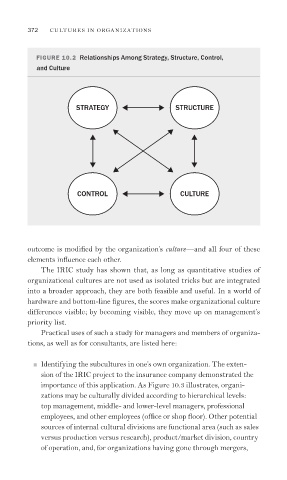
           FIGURE 10.2  Relationships Among Strategy, Structure, Control,
           and Culture


                     STRATEGY                   STRUCTURE


                      CONTROL                    CULTURE


        outcome is modified by the organization’s culture—and all four of these

        elements influence each other.
            The IRIC study has shown that, as long as quantitative studies of
        organizational cultures are not used as isolated tricks but are integrated
        into a broader approach, they are both feasible and useful. In a world of
        hardware and bottom-line figures, the scores make organizational culture

        differences visible; by becoming visible, they move up on management’s
        priority list.
            Practical uses of such a study for managers and members of organiza-
        tions, as well as for consultants, are listed here:

          ■ Identifying the subcultures in one’s own organization. The exten-
            sion of the IRIC project to the insurance company demonstrated the
            importance of this application. As Figure 10.3 illustrates, organi-
            zations may be culturally divided according to hierarchical levels:
            top management, middle- and lower-level managers, professional


            employees, and other employees (office or shop floor). Other potential
            sources of internal cultural divisions are functional area (such as sales
            versus production versus research), product/market division, country
            of operation, and, for organizations having gone through mergers,

