


Page 300 - Electronic Commerce
P. 300
Social Networking, Mobile Commerce, and Online Auctions


                                                Europe
                       North America            Facebook             Russia
                       Facebook                 Twitter              VKontakte
                       Twitter                  LinkedIn   Iran      Odnoklassniki
                       LinkedIn                 Google+    Cloob     Facebook   Taiwan
                       Google+                                                  Plurk
                                                                                Facebook
                                                                                Twitter


                                                                                                   275

                                                                                Japan
                                                                                 mixi
                                                                                 GREE
                                                                                 Mobage-town
                                                                                    China
                                                             Egypt                  Tencent
                                                             Facebook  India        (QQ, Weibo)  Learning
                                             Brazil          Twitter  Facebook      Renren
                                             Facebook              Twitter
                                             Twitter               Orkut
                                             Orkut                 Google+                  Cengage
                                             Google+
                                                   South Africa
                                                   Facebook                                 2015
                                                   Twitter
                                                   LinkedIn                                 ©
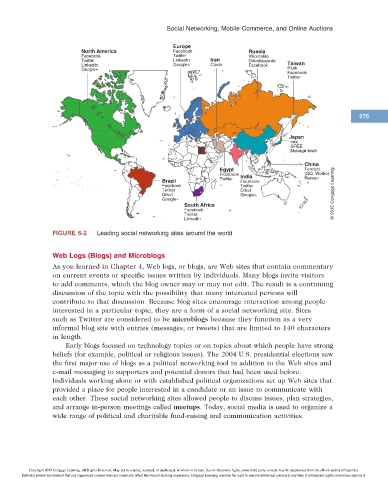
               FIGURE 6-2   Leading social networking sites around the world

               Web Logs (Blogs) and Microblogs
               As you learned in Chapter 4, Web logs, or blogs, are Web sites that contain commentary
               on current events or specific issues written by individuals. Many blogs invite visitors
               to add comments, which the blog owner may or may not edit. The result is a continuing
               discussion of the topic with the possibility that many interested persons will
               contribute to that discussion. Because blog sites encourage interaction among people
               interested in a particular topic, they are a form of a social networking site. Sites
               such as Twitter are considered to be microblogs because they function as a very
               informal blog site with entries (messages, or tweets) that are limited to 140 characters
               in length.
                   Early blogs focused on technology topics or on topics about which people have strong
               beliefs (for example, political or religious issues). The 2004 U.S. presidential elections saw
               the first major use of blogs as a political networking tool in addition to the Web sites and
               e-mail messaging to supporters and potential donors that had been used before.
               Individuals working alone or with established political organizations set up Web sites that
               provided a place for people interested in a candidate or an issue to communicate with
               each other. These social networking sites allowed people to discuss issues, plan strategies,
               and arrange in-person meetings called meetups. Today, social media is used to organize a
               wide range of political and charitable fund-raising and communication activities.


         Copyright 2015 Cengage Learning. All Rights Reserved. May not be copied, scanned, or duplicated, in whole or in part. Due to electronic rights, some third party content may be suppressed from the eBook and/or eChapter(s).
       Editorial review has deemed that any suppressed content does not materially affect the overall learning experience. Cengage Learning reserves the right to remove additional content at any time if subsequent rights restrictions require it.

