


Page 312 - Electronic Commerce
P. 312
Social Networking, Mobile Commerce, and Online Auctions

               Mobile Device Operating Systems
               Apple and BlackBerry use their own proprietary operating systems. In the past, other
               phone makers (including HTC, Motorola, and Samsung) created their own operating
               systems and apps for common functions such as calendar, contacts, and e-mail; these
               manufacturers now use a standard operating system provided by a third party.
                   The most common third-party operating systems today are Android and Windows
               Phone. The most popular and fastest growing third-party operating system is Android,
               which was developed by Google. Android is open source, which allows smartphone
               manufacturers to use it at no cost. Most smartphone manufacturers that use Android add  287
               some customized features to the software’s interface.
                   One of the first operating systems for Internet-capable phones was made by Palm for
               their phones and other portable devices. Palm’s phones became less popular and, after an
               attempt to sell its software to other phone manufacturers, the company went out of
               business. Symbian, which started as Nokia’s proprietary system, became open source in
               2008. Few other phone manufacturers adopted the system and, in 2011, Nokia itself began
               using the Windows Phone operating system for its smartphones. Windows Phone is a
               proprietary operating system sold by Microsoft.
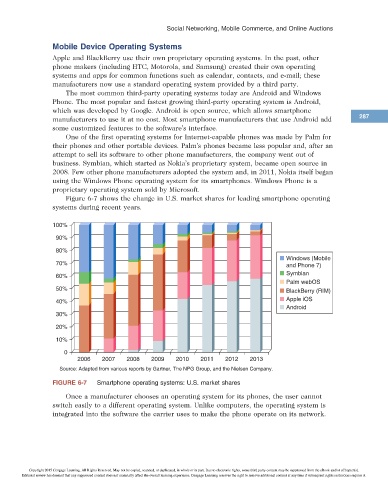
                   Figure 6-7 shows the change in U.S. market shares for leading smartphone operating
               systems during recent years.

               100%
                90%
                80%
                                                                               Windows (Mobile
                70%                                                            and Phone 7)
                                                                               Symbian
                60%
                                                                               Palm webOS
                50%                                                            BlackBerry (RIM)
                40%                                                            Apple iOS
                                                                               Android
                30%
                20%

                10%
                   0
                      2006   2007   2008  2009   2010   2011   2012  2013
                 Source: Adapted from various reports by Gartner, The NPG Group, and the Nielsen Company.
               FIGURE 6-7   Smartphone operating systems: U.S. market shares
                   Once a manufacturer chooses an operating system for its phones, the user cannot
               switch easily to a different operating system. Unlike computers, the operating system is
               integrated into the software the carrier uses to make the phone operate on its network.


         Copyright 2015 Cengage Learning. All Rights Reserved. May not be copied, scanned, or duplicated, in whole or in part. Due to electronic rights, some third party content may be suppressed from the eBook and/or eChapter(s).
       Editorial review has deemed that any suppressed content does not materially affect the overall learning experience. Cengage Learning reserves the right to remove additional content at any time if subsequent rights restrictions require it.

