


Page 555 - Fair, Geyer, and Okun's Water and wastewater engineering : water supply and wastewater removal
P. 555
JWCL344_ch14_500-554.qxd  8/7/10  8:56 PM  Page 513


                                                                                   14.5 Choice of Collecting System  513


                                               Weir                  Overflow
                                                                                                 Adjustable lip
                                                                                                         To overflow


                                                                                       To intercepter
                                                    To intercepter
                                                   (a) Diverting weir-plan          (b) Leaping weir-vertical section


                                                                Combined
                                                                 sewer                      Combined
                                                                          Intercepter         sewer


                                                      To
                                                                  Dry-weather
                                                    overflow                                 Regulating
                                                                 flow continues
                                                                                        Float  valve
                                                                 to intercepter
                                                                                      Telltale pipe
                                                  (c) Siphon spillway-vertical section  (d) Mechanical diverter, or regulator–
                                                                                    vertical section; actual mechanisms
                                                                                    are more complicated.
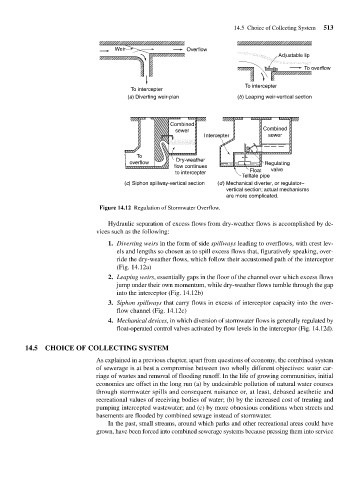
                                          Figure 14.12 Regulation of Stormwater Overflow.

                                             Hydraulic separation of excess flows from dry-weather flows is accomplished by de-
                                         vices such as the following:
                                             1. Diverting weirs in the form of side spillways leading to overflows, with crest lev-
                                                els and lengths so chosen as to spill excess flows that, figuratively speaking, over-
                                                ride the dry-weather flows, which follow their accustomed path of the interceptor
                                                (Fig. 14.12a)
                                             2. Leaping weirs, essentially gaps in the floor of the channel over which excess flows
                                                jump under their own momentum, while dry-weather flows tumble through the gap
                                                into the interceptor (Fig. 14.12b)
                                             3. Siphon spillways that carry flows in excess of interceptor capacity into the over-
                                                flow channel (Fig. 14.12c)
                                             4. Mechanical devices, in which diversion of stormwater flows is generally regulated by
                                                float-operated control valves activated by flow levels in the interceptor (Fig. 14.12d).


                    14.5  CHOICE OF COLLECTING SYSTEM
                                         As explained in a previous chapter, apart from questions of economy, the combined system
                                         of sewerage is at best a compromise between two wholly different objectives: water car-
                                         riage of wastes and removal of flooding runoff. In the life of growing communities, initial
                                         economies are offset in the long run (a) by undesirable pollution of natural water courses
                                         through stormwater spills and consequent nuisance or, at least, debased aesthetic and
                                         recreational values of receiving bodies of water; (b) by the increased cost of treating and
                                         pumping intercepted wastewater; and (c) by more obnoxious conditions when streets and
                                         basements are flooded by combined sewage instead of stormwater.
                                             In the past, small streams, around which parks and other recreational areas could have
                                         grown, have been forced into combined sewerage systems because pressing them into service

