


Page 211 - Robot Builder's Bonanza
P. 211
180  ALL ABOUT BATTERIES


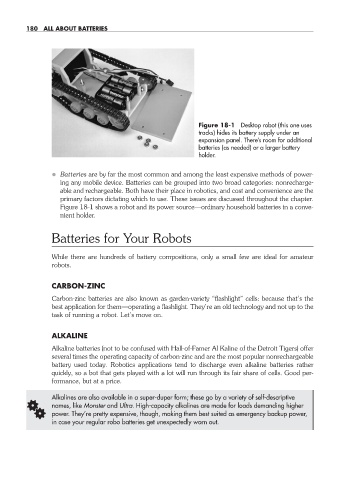
                                                            Figure 18- 1  Desktop robot (this one uses
                                                            tracks) hides its battery supply under an
                                                            expansion panel. There’s room for additional
                                                            batteries (as needed) or a larger battery
                                                            holder.


                   •   Batteries are by far the most common and among the least expensive methods of power-
                     ing any mobile device. Batteries can be grouped into two broad categories: nonrecharge-
                     able and rechargeable. Both have their place in robotics, and cost and convenience are the
                     primary factors dictating which to use. These issues are discussed throughout the chapter.
                     Figure 18- 1 shows a robot and its power  source— ordinary household batteries in a conve-
                     nient holder.

                   Batteries for Your Robots


                   While there are hundreds of battery compositions, only a small few are ideal for amateur
                   robots.

                     CARBON- ZINC

                   Carbon- zinc batteries are also known as  garden- variety “flashlight” cells: because that’s the
                   best application for  them— operating a flashlight. They’re an old technology and not up to the
                   task of running a robot. Let’s move on.


                   ALKALINE
                   Alkaline batteries (not to be confused with  Hall- of- Famer Al Kaline of the Detroit Tigers) offer
                   several times the operating capacity of  carbon- zinc and are the most popular nonrechargeable
                   battery used today. Robotics applications tend to discharge even alkaline batteries rather
                   quickly, so a bot that gets played with a lot will run through its fair share of cells. Good per-
                   formance, but at a price.

                   Alkalines are also available in a  super- duper form; these go by a variety of  self- descriptive
           G       names, like Monster and Ultra.  High- capacity alkalines are made for loads demanding higher
                   power. They’re pretty expensive, though, making them best suited as emergency backup power,
                   in case your regular robo batteries get unexpectedly worn out.


   18-chapter-18.indd   180                                                                     4/21/11   11:49 AM

