


Page 60 - Robotics Designing the Mechanisms for Automated Machinery
P. 60
2.2 How Does One Find the Concept of an Automatic Manufacturing Process?  49


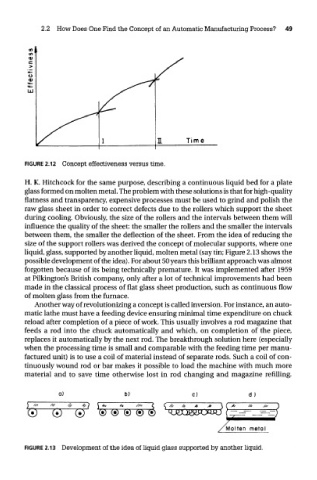
        FIGURE 2.12 Concept effectiveness versus time.

        H. K. Hitchcock for the same purpose, describing a continuous liquid bed for a plate
        glass formed on molten metal. The problem with these solutions is that for high-quality
        flatness and transparency, expensive processes must be used to grind and polish the
        raw glass sheet in order to correct defects due to the rollers which support the sheet
        during cooling. Obviously, the size of the rollers and the intervals between them will
        influence the quality of the sheet: the smaller the rollers and the smaller the intervals
        between them, the smaller the deflection of the sheet. From the idea of reducing the
        size of the support rollers was derived the concept of molecular supports, where one
        liquid, glass, supported by another liquid, molten metal (say tin; Figure 2.13 shows the
        possible development of the idea). For about 50 years this brilliant approach was almost
        forgotten because of its being technically premature. It was implemented after 1959
        at Pilkington's British company, only after a lot of technical improvements had been
        made in the classical process of flat glass sheet production, such as continuous flow
        of molten glass from the furnace.
           Another way of revolutionizing a concept is called inversion. For instance, an auto-
        matic lathe must have a feeding device ensuring minimal time expenditure on chuck
        reload after completion of a piece of work. This usually involves a rod magazine that
        feeds a rod into the chuck automatically and which, on completion of the piece,
        replaces it automatically by the next rod. The breakthrough solution here (especially
        when the processing time is small and comparable with the feeding time per manu-
        factured unit) is to use a coil of material instead of separate rods. Such a coil of con-
        tinuously wound rod or bar makes it possible to load the machine with much more
        material and to save time otherwise lost in rod changing and magazine refilling.


        FIGURE 2.13 Development of the idea of liquid glass supported by another liquid.

