


Page 195 - The CNN Effect in Action - How the News Media Pushed the West toward War ini Kosovo
P. 195
1403975191ts08.qxd  19-2-07  05:08 PM  Page 160
                                                         160
                                                                 THE CNN EFFECT IN ACTION
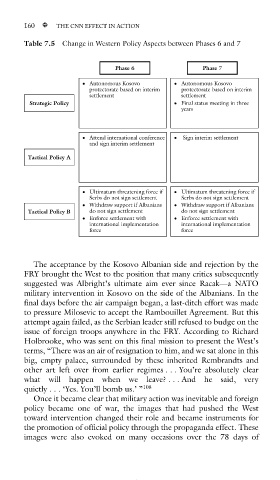
                                                         Table 7.5 Change in Western Policy Aspects between Phases 6 and 7
                                                                                Phase 6
                                                                                                      Phase 7
                                                                        • Autonomous Kosovo
                                                                                               • Autonomous Kosovo
                                                                                                protectorate based on interim
                                                                         protectorate based on interim
                                                                                                settlement
                                                                         settlement
                                                                                               • Final status meeting in three
                                                          Strategic Policy
                                                                                                years
                                                                        • Attend international conference
                                                                                               •  Sign interim settlement
                                                                         and sign interim settlement
                                                          Tactical Policy A
                                                                        • Ultimatum threatening force if
                                                                                               • Ultimatum threatening force if
                                                                         Serbs do not sign settlement
                                                                                                Serbs do not sign settlement
                                                                        • Withdraw support if Albanians
                                                                                               • Withdraw support if Albanians
                                                                         do not sign settlement
                                                                                                do not sign settlement
                                                          Tactical Policy B
                                                                                               • Enforce settlement with
                                                                        • Enforce settlement with
                                                                         international implementation
                                                                                                international implementation
                                                                                                force
                                                                         force
                                                           The acceptance by the Kosovo Albanian side and rejection by the
                                                         FRY brought the West to the position that many critics subsequently
                                                         suggested was Albright’s ultimate aim ever since Racak—a NATO
                                                         military intervention in Kosovo on the side of the Albanians. In the
                                                         final days before the air campaign began, a last-ditch effort was made
                                                         to pressure Milosevic to accept the Rambouillet Agreement. But this
                                                         attempt again failed, as the Serbian leader still refused to budge on the
                                                         issue of foreign troops anywhere in the FRY. According to Richard
                                                         Holbrooke, who was sent on this final mission to present the West’s
                                                         terms, “There was an air of resignation to him, and we sat alone in this
                                                         big, empty palace, surrounded by these inherited Rembrandts and
                                                         other art left over from earlier regimes ...You’re  absolutely clear
                                                         what will happen when we leave? . . . And he said, very
                                                         quietly . . . ‘Yes. You’ll bomb us.’ ” 108
                                                           Once it became clear that military action was inevitable and foreign
                                                         policy became one of war, the images that had pushed the West
                                                         toward intervention changed their role and became instruments for
                                                         the promotion of official policy through the propaganda effect. These
                                                         images were also evoked on many occasions over the 78 days of

