


Page 474 - Construction Waterproofing Handbook
P. 474
12.14   CHAPTER TWELVE


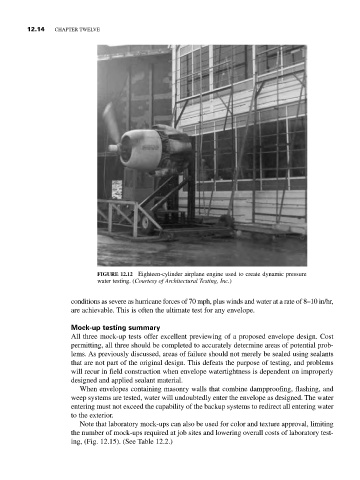
                              FIGURE 12.12 Eighteen-cylinder airplane engine used to create dynamic pressure
                              water testing. (Courtesy of Architectural Testing, Inc.)

                      conditions as severe as hurricane forces of 70 mph, plus winds and water at a rate of 8–10 in/hr,
                      are achievable. This is often the ultimate test for any envelope.
                      Mock-up testing summary
                      All three mock-up tests offer excellent previewing of a proposed envelope design. Cost
                      permitting, all three should be completed to accurately determine areas of potential prob-
                      lems. As previously discussed, areas of failure should not merely be sealed using sealants
                      that are not part of the original design. This defeats the purpose of testing, and problems
                      will recur in field construction when envelope watertightness is dependent on improperly
                      designed and applied sealant material.
                         When envelopes containing masonry walls that combine dampproofing, flashing, and
                      weep systems are tested, water will undoubtedly enter the envelope as designed. The water
                      entering must not exceed the capability of the backup systems to redirect all entering water
                      to the exterior.
                         Note that laboratory mock-ups can also be used for color and texture approval, limiting
                      the number of mock-ups required at job sites and lowering overall costs of laboratory test-
                      ing, (Fig. 12.15). (See Table 12.2.)

