


Page 236 - Design of Solar Thermal Power Plants
P. 236
3.9 MAIN POINTS FOR POWER PLANT SITE PLAN    219


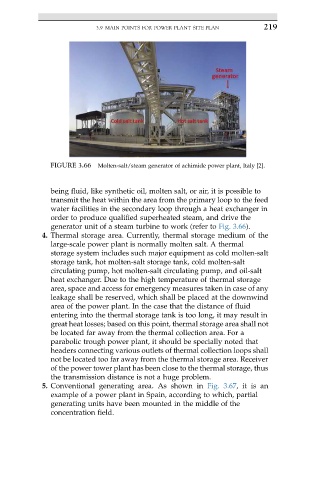
               FIGURE 3.66  Molten-salt/steam generator of achimide power plant, Italy [2].


               being fluid, like synthetic oil, molten salt, or air, it is possible to
               transmit the heat within the area from the primary loop to the feed
               water facilities in the secondary loop through a heat exchanger in
               order to produce qualified superheated steam, and drive the
               generator unit of a steam turbine to work (refer to Fig. 3.66).
            4. Thermal storage area. Currently, thermal storage medium of the
               large-scale power plant is normally molten salt. A thermal
               storage system includes such major equipment as cold molten-salt
               storage tank, hot molten-salt storage tank, cold molten-salt
               circulating pump, hot molten-salt circulating pump, and oil-salt
               heat exchanger. Due to the high temperature of thermal storage
               area, space and access for emergency measures taken in case of any
               leakage shall be reserved, which shall be placed at the downwind
               area of the power plant. In the case that the distance of fluid
               entering into the thermal storage tank is too long, it may result in
               great heat losses; based on this point, thermal storage area shall not
               be located far away from the thermal collection area. For a
               parabolic trough power plant, it should be specially noted that
               headers connecting various outlets of thermal collection loops shall
               not be located too far away from the thermal storage area. Receiver
               of the power tower plant has been close to the thermal storage, thus
               the transmission distance is not a huge problem.
            5. Conventional generating area. As shown in Fig. 3.67,itisan
               example of a power plant in Spain, according to which, partial
               generating units have been mounted in the middle of the
               concentration field.

