


Page 164 - Designing Autonomous Mobile Robots : Inside the Mindo f an Intellegent Machine
P. 164
Hard Navigation vs. Fuzzy Navigation


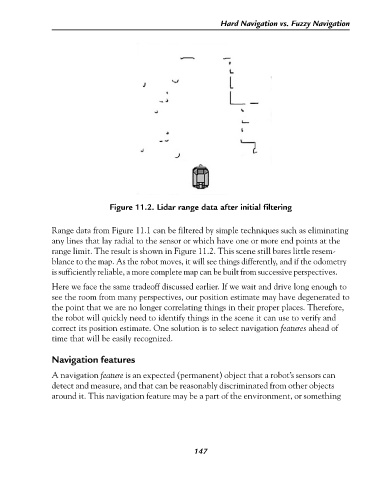
                               Figure 11.2. Lidar range data after initial filtering


               Range data from Figure 11.1 can be filtered by simple techniques such as eliminating
               any lines that lay radial to the sensor or which have one or more end points at the
               range limit. The result is shown in Figure 11.2. This scene still bares little resem-
               blance to the map. As the robot moves, it will see things differently, and if the odometry
               is sufficiently reliable, a more complete map can be built from successive perspectives.

               Here we face the same tradeoff discussed earlier. If we wait and drive long enough to
               see the room from many perspectives, our position estimate may have degenerated to
               the point that we are no longer correlating things in their proper places. Therefore,
               the robot will quickly need to identify things in the scene it can use to verify and
               correct its position estimate. One solution is to select navigation features ahead of
               time that will be easily recognized.


               Navigation features
               A navigation feature is an expected (permanent) object that a robot’s sensors can
               detect and measure, and that can be reasonably discriminated from other objects
               around it. This navigation feature may be a part of the environment, or something


                                                       147

