


Page 154 - Materials Chemistry, Second Edition
P. 154
Environmental Sustainability Assessment of Ethanol              141


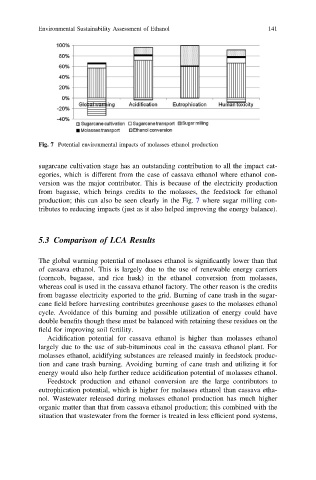
            Fig. 7 Potential environmental impacts of molasses ethanol production

            sugarcane cultivation stage has an outstanding contribution to all the impact cat-
            egories, which is different from the case of cassava ethanol where ethanol con-
            version was the major contributor. This is because of the electricity production
            from bagasse, which brings credits to the molasses, the feedstock for ethanol
            production; this can also be seen clearly in the Fig. 7 where sugar milling con-
            tributes to reducing impacts (just as it also helped improving the energy balance).


            5.3 Comparison of LCA Results


            The global warming potential of molasses ethanol is significantly lower than that
            of cassava ethanol. This is largely due to the use of renewable energy carriers
            (corncob, bagasse, and rice husk) in the ethanol conversion from molasses,
            whereas coal is used in the cassava ethanol factory. The other reason is the credits
            from bagasse electricity exported to the grid. Burning of cane trash in the sugar-
            cane field before harvesting contributes greenhouse gases to the molasses ethanol
            cycle. Avoidance of this burning and possible utilization of energy could have
            double benefits though these must be balanced with retaining these residues on the
            field for improving soil fertility.
              Acidification potential for cassava ethanol is higher than molasses ethanol
            largely due to the use of sub-bituminous coal in the cassava ethanol plant. For
            molasses ethanol, acidifying substances are released mainly in feedstock produc-
            tion and cane trash burning. Avoiding burning of cane trash and utilizing it for
            energy would also help further reduce acidification potential of molasses ethanol.
              Feedstock production and ethanol conversion are the large contributors to
            eutrophication potential, which is higher for molasses ethanol than cassava etha-
            nol. Wastewater released during molasses ethanol production has much higher
            organic matter than that from cassava ethanol production; this combined with the
            situation that wastewater from the former is treated in less efficient pond systems,

