


Page 197 - Low Temperature Energy Systems with Applications of Renewable Energy
P. 197
184                 Low-Temperature Energy Systems with Applications of Renewable Energy


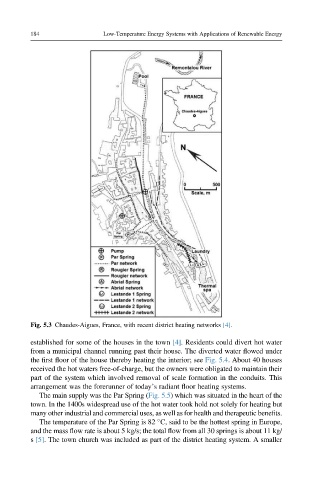
         Fig. 5.3 Chaudes-Aigues, France, with recent district heating networks [4].

         established for some of the houses in the town [4]. Residents could divert hot water
         from a municipal channel running past their house. The diverted water flowed under
         the first floor of the house thereby heating the interior; see Fig. 5.4. About 40 houses
         received the hot waters free-of-charge, but the owners were obligated to maintain their
         part of the system which involved removal of scale formation in the conduits. This
         arrangement was the forerunner of today’s radiant floor heating systems.
            The main supply was the Par Spring (Fig. 5.5) which was situated in the heart of the
         town. In the 1400s widespread use of the hot water took hold not solely for heating but
         many other industrial and commercial uses, as well as for health and therapeutic benefits.

            The temperature of the Par Spring is 82 C, said to be the hottest spring in Europe,
         and the mass flow rate is about 5 kg/s; the total flow from all 30 springs is about 11 kg/
         s [5]. The town church was included as part of the district heating system. A smaller

