


Page 320 -
P. 320
302                                     12  Analyzing “Spaghetti Processes”


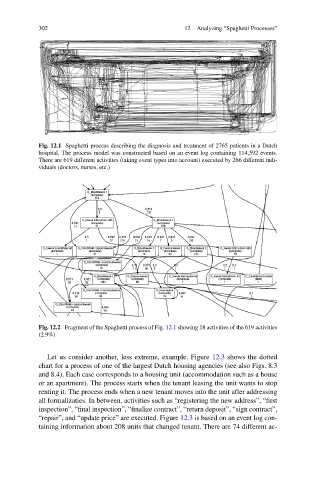
            Fig. 12.1 Spaghetti process describing the diagnosis and treatment of 2765 patients in a Dutch
            hospital. The process model was constructed based on an event log containing 114,592 events.
            There are 619 different activities (taking event types into account) executed by 266 different indi-
            viduals (doctors, nurses, etc.)


            Fig. 12.2 Fragment of the Spaghetti process of Fig. 12.1 showing 18 activities of the 619 activities
            (2.9%)

              Let us consider another, less extreme, example. Figure 12.3 shows the dotted
            chart for a process of one of the largest Dutch housing agencies (see also Figs. 8.3
            and 8.4). Each case corresponds to a housing unit (accommodation such as a house
            or an apartment). The process starts when the tenant leasing the unit wants to stop
            renting it. The process ends when a new tenant moves into the unit after addressing
            all formalizaties. In between, activities such as “registering the new address”, “first
            inspection”, “final inspection”, “finalize contract”, “return deposit”, “sign contract”,
            “repair”, and “update price” are executed. Figure 12.3 is based on an event log con-
            taining information about 208 units that changed tenant. There are 74 different ac-

