


Page 131 - Materials Chemistry, Second Edition
P. 131
Ch003-P373623.qxd  3/22/07  5:29 PM  Page 110
                     Sustainable Industrial Design and Waste Management
                110
                         Refinery                                     Ballasts

                             Residual oil

                                        Gypsum         Seafood         Textile
                         Asphalt
                                        wallboard     processing      company


                          Tank          Chemical        Plastic      Auto parts
                          farm           plant         recycler

                    Limestone
                                                                     Shaded boxes are
                                                       Discrete      remote (non-part)
                          Stone
                                                        parts           facilities
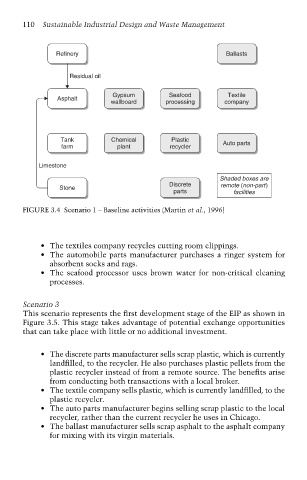
                FIGURE 3.4 Scenario 1 – Baseline activities (Martin et al., 1996)


                     • The textiles company recycles cutting room clippings.
                     • The automobile parts manufacturer purchases a ringer system for
                       absorbent socks and rags.
                     • The seafood processor uses brown water for non-critical cleaning
                       processes.


                Scenario 3
                This scenario represents the first development stage of the EIP as shown in
                Figure 3.5. This stage takes advantage of potential exchange opportunities
                that can take place with little or no additional investment.


                     • The discrete parts manufacturer sells scrap plastic, which is currently
                       landfilled, to the recycler. He also purchases plastic pellets from the
                       plastic recycler instead of from a remote source. The benefits arise
                       from conducting both transactions with a local broker.
                     • The textile company sells plastic, which is currently landfilled, to the
                       plastic recycler.
                     • The auto parts manufacturer begins selling scrap plastic to the local
                       recycler, rather than the current recycler he uses in Chicago.
                     • The ballast manufacturer sells scrap asphalt to the asphalt company
                       for mixing with its virgin materials.

