


Page 132 - Materials Chemistry, Second Edition
P. 132
Ch003-P373623.qxd  3/22/07  5:29 PM  Page 111
                                     Sustainable Development and Industrial Ecology
                                         Waste asphalt                             111


                      Refinery                                            Ballasts


                          Residual oil

                                        Gypsum          Seafood           Textile
                      Asphalt
                                       wallboard       processing        company
                                                                    Scrap
                                                                    plastic

                       Tank            Chemical          Plastic
                       farm              plant          recycler  Scrap  Auto parts
                                                                 plastic
                 Limestone                    Plastic pellets  Plastic flakes

                                                                        Shaded boxes are
                                                        Discrete        remote (non-part)
                       Stone
                                                         parts             facilities
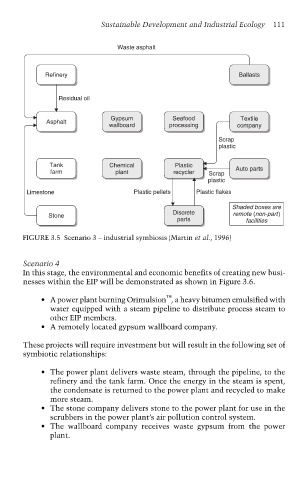
                FIGURE 3.5 Scenario 3 – industrial symbiosis (Martin et al., 1996)


                Scenario 4
                In this stage, the environmental and economic benefits of creating new busi-
                nesses within the EIP will be demonstrated as shown in Figure 3.6.

                                                      ™
                     • A power plant burning Orimulsion , a heavy bitumen emulsified with
                       water equipped with a steam pipeline to distribute process steam to
                       other EIP members.
                     • A remotely located gypsum wallboard company.

                These projects will require investment but will result in the following set of
                symbiotic relationships:

                     • The power plant delivers waste steam, through the pipeline, to the
                       refinery and the tank farm. Once the energy in the steam is spent,
                       the condensate is returned to the power plant and recycled to make
                       more steam.
                     • The stone company delivers stone to the power plant for use in the
                       scrubbers in the power plant’s air pollution control system.
                     • The wallboard company receives waste gypsum from the power
                       plant.

