


Page 133 - Materials Chemistry, Second Edition
P. 133
Ch003-P373623.qxd  3/22/07  5:29 PM  Page 112
                     Sustainable Industrial Design and Waste Management
                112
                                           Waste asphalt
                                Residual oil
                                  Condensate
                     Refinery                                                 Ballasts
                                     Steam   Power
                                              plant
                         Residual
                         oil

                                                Gypsum       Seafood          Textile
                      Asphalt
                                                            processing       company
                                            Gypsum                       Scrap
                                            wallboard                    plastic

                       Tank                                   Plastic
                       farm                                  recycler        Auto parts
                                                                      Scrap
                                                                      plastic
                                            Chemical
                 Limestone                                Plastic  Plastic
                                              plant       pellets  flakes
                                                                        Shaded boxes are
                                                             Discrete   remote (non-part)
                      Stone                                                facilities
                              Limestone                       parts
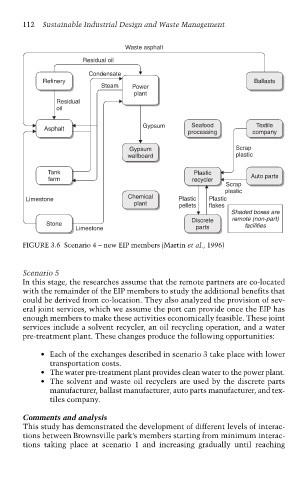
                FIGURE 3.6 Scenario 4 – new EIP members (Martin et al., 1996)


                Scenario 5
                In this stage, the researches assume that the remote partners are co-located
                with the remainder of the EIP members to study the additional benefits that
                could be derived from co-location. They also analyzed the provision of sev-
                eral joint services, which we assume the port can provide once the EIP has
                enough members to make these activities economically feasible. These joint
                services include a solvent recycler, an oil recycling operation, and a water
                pre-treatment plant. These changes produce the following opportunities:

                     • Each of the exchanges described in scenario 3 take place with lower
                       transportation costs.
                     • The water pre-treatment plant provides clean water to the power plant.
                     • The solvent and waste oil recyclers are used by the discrete parts
                       manufacturer, ballast manufacturer, auto parts manufacturer, and tex-
                       tiles company.


                Comments and analysis
                This study has demonstrated the development of different levels of interac-
                tions between Brownsville park’s members starting from minimum interac-
                tions taking place at scenario 1 and increasing gradually until reaching

