


Page 134 - Materials Chemistry, Second Edition
P. 134
Ch003-P373623.qxd  3/22/07  5:29 PM  Page 113
                                     Sustainable Development and Industrial Ecology
                                          Waste asphalt                            113
                               Residual oil
                                Condensate
                                                            Water
                    Refinery                                               Ballasts
                                   Steam    Power   Water  pre-treatment
                                            plant
                                                                    Waste solvent
                        Residual
                        oil
                                                                    Brown
                                                                    water
                                              Gypsum       Seafood          Textile
                    Asphalt
                                                          processing       company
                                           Gypsum                     Scrap
                                          wallboard                   plastic

                     Tank                                   Plastic
                      farm                    Gypsum       recycler       Auto parts
                                                                    Scrap
                                                                    plastic
                                          Chemical
                 Limestone                              Plastic  Plastic
                                            plant       pellets  flakes
                                             Oil           Discrete        Solvent
                     Stone
                             Limestone    recycling         parts   Waste  recycling
                                                                   solvent
                 Shaded boxes are                   Waste oil
                 remote (non-part)
                     facilities

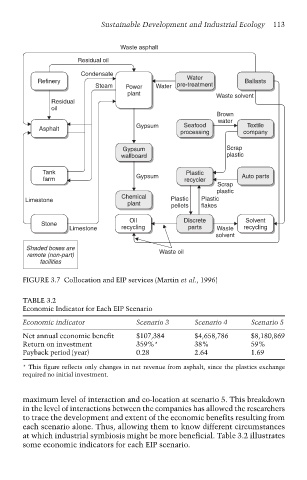
                FIGURE 3.7 Collocation and EIP services (Martin et al., 1996)

                TABLE 3.2
                Economic Indicator for Each EIP Scenario

                Economic indicator            Scenario 3      Scenario 4     Scenario 5
                Net annual economic benefit    $107,384        $4,658,786     $8,180,869
                Return on investment          359%*           38%            59%
                Payback period (year)         0.28            2.64           1.69
                * This figure reflects only changes in net revenue from asphalt, since the plastics exchange
                required no initial investment.


                maximum level of interaction and co-location at scenario 5. This breakdown
                in the level of interactions between the companies has allowed the researchers
                to trace the development and extent of the economic benefits resulting from
                each scenario alone. Thus, allowing them to know different circumstances
                at which industrial symbiosis might be more beneficial. Table 3.2 illustrates
                some economic indicators for each EIP scenario.

