


Page 185 - Materials Chemistry, Second Edition
P. 185
Ch005-P373623.qxd  3/22/07  5:34 PM  Page 164
                     Sustainable Industrial Design and Waste Management
                164
                                              Plastic waste


                                             Washing process


                                               Sorting and
                                                recycling


                                   Agglomeration         Shredding


                                               Pelletizing


                                Injection        Film/          Hose/
                                 molding        blowing        extrusion
                                machine         machine        machine

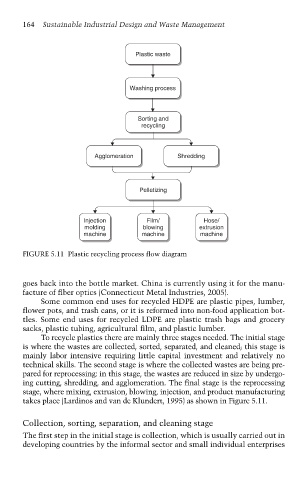
                FIGURE 5.11 Plastic recycling process flow diagram


                goes back into the bottle market. China is currently using it for the manu-
                facture of fiber optics (Connecticut Metal Industries, 2005).
                     Some common end uses for recycled HDPE are plastic pipes, lumber,
                flower pots, and trash cans, or it is reformed into non-food application bot-
                tles. Some end uses for recycled LDPE are plastic trash bags and grocery
                sacks, plastic tubing, agricultural film, and plastic lumber.
                     To recycle plastics there are mainly three stages needed. The initial stage
                is where the wastes are collected, sorted, separated, and cleaned; this stage is
                mainly labor intensive requiring little capital investment and relatively no
                technical skills. The second stage is where the collected wastes are being pre-
                pared for reprocessing: in this stage, the wastes are reduced in size by undergo-
                ing cutting, shredding, and agglomeration. The final stage is the reprocessing
                stage, where mixing, extrusion, blowing, injection, and product manufacturing
                takes place (Lardinos and van de Klundert, 1995) as shown in Figure 5.11.

                Collection, sorting, separation, and cleaning stage
                The first step in the initial stage is collection, which is usually carried out in
                developing countries by the informal sector and small individual enterprises

