


Page 322 - E-Bussiness and E-Commerce Management Strategy, Implementation, and Practice
P. 322
M05_CHAF9601_04_SE_C05.QXD:D01_CHAF7409_04_SE_C01.QXD  16/4/09  11:12  Page 289


                                                                                 Chapter 5 E-business strategy  289


                    Table 5.6   Objectives, strategies and performance indicators for an example B2B company (in order of priority


                    Objectives                   Strategies to achieve goals  Key performance indicators (critical
                                                                              success factors)

                    1 Develop revenue from new   1 Create e-commerce facility for  1 Achieve combined revenue of £1m by
                      geographical markets         standard products and assign  year-end. Online revenue contribution
                    2 Increase revenue from smaller-scale  agents to these markets  of 70%
                      purchases from retailers   2 Create e-commerce facility for  2 Increase sales through retailers from
                    3 Ensure retention of key account  standard products        15% to 25% of total by year 2.
                      customers                  3 Attain soft lock-in by developing  Online revenue contribution of 30%
                    4 Improve efficiency of sourcing raw  extranet facilities and continued  3 Retain five key account customers.
                      materials                    support from sales reps      Online revenue contribution of 100%
                    5 Reduce time to market and costs  4 Develop e-procurement system  from these five
                      for new product development  5 Use collaboration and project  4 Reduce cost of procurement by 5%
                    6 Protect and increase efficiency of  management tools      by year-end, 10% by year 2.
                      distributor and partner network  6 Create partner extranet and aim for  Achieve 80% of puchasing online
                                                   paperless support          5 Reduce cost and time to market by
                                                                                average of 10% by year 3
                                                                              6 Reduce cost of sales in each of five
                                                                                main geographical markets by 30%


                                    Some examples of sell-side e-commerce SMART performance indicators of an online flower
                                    business are shown in Mini Case Study 5.2.


                     Mini Case Study 5.2      Arena Flowers controls its growth through key performance indicators


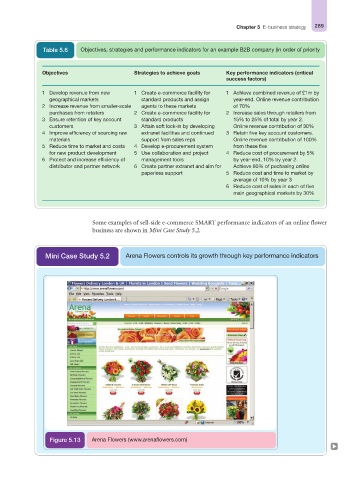
                      Figure 5.13   Arena Flowers (www.arenaflowers.com)

