


Page 555 - Forensic Structural Engineering Handbook
P. 555
BUILDING FACADES                    15.7


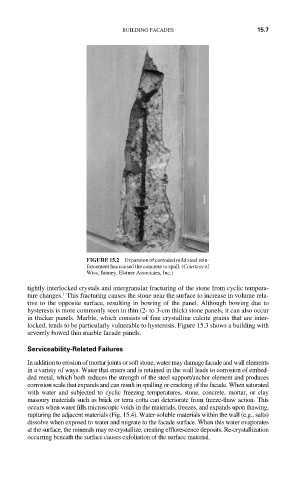
                          FIGURE 15.2 Expansion of corroded mild steel rein-
                          forcement has caused the concrete to spall. (Courtesy of
                          Wiss, Janney, Elstner Associates, Inc.)
          tightly interlocked crystals and intergranular fracturing of the stone from cyclic tempera-
                    1
          ture changes. This fracturing causes the stone near the surface to increase in volume rela-
          tive to the opposite surface, resulting in bowing of the panel. Although bowing due to
          hysteresis is more commonly seen in thin (2- to 3-cm thick) stone panels, it can also occur
          in thicker panels. Marble, which consists of fine crystalline calcite grains that are inter-
          locked, tends to be particularly vulnerable to hysteresis. Figure 15.3 shows a building with
          severely bowed thin marble facade panels.

          Serviceability-Related Failures
          In addition to erosion of mortar joints or soft stone, water may damage facade and wall elements
          in a variety of ways. Water that enters and is retained in the wall leads to corrosion of embed-
          ded metal, which both reduces the strength of the steel support/anchor element and produces
          corrosion scale that expands and can result in spalling or cracking of the facade. When saturated
          with water and subjected to cyclic freezing temperatures, stone, concrete, mortar, or clay
          masonry materials such as brick or terra cotta can deteriorate from freeze-thaw action. This
          occurs when water fills microscopic voids in the materials, freezes, and expands upon thawing,
          rupturing the adjacent materials (Fig. 15.4). Water-soluble materials within the wall (e.g., salts)
          dissolve when exposed to water and migrate to the facade surface. When this water evaporates
          at the surface, the minerals may re-crystallize, creating efflorescence deposits. Re-crystallization
          occurring beneath the surface causes exfoliation of the surface material.

