


Page 299 - Modular design for machine tools
P. 299
258   Engineering Design for Machine Tool Joints

                                     Frequency, Hz
                                      270   180
                                      90     30
                   16
                   12         Shaped
                             temp. 27°C
                    8
                    4

                    0
                      75   125      188     250     312     375
                  160          Ground
                 Joint stiffness 10 6 lbf/in  120  temp. 25°C


                   80

                   40

                    0
                     75    125      188     250      312    375

                  160
                               Scraped
                  120         temp. 24°C

                   80
                   40

                    0
                     170    281     422     563      704     845
                                   Joint preload, lbf/in 2
                        Corrected for material stiffness, cast iron, dry, area 36 in 2
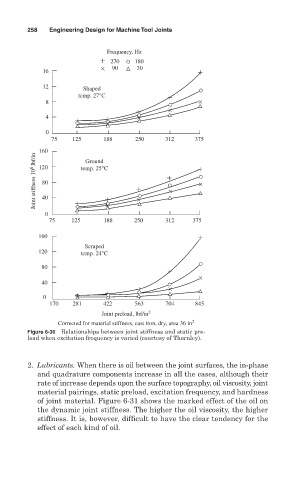
               Figure 6-30 Relationships between joint stiffness and static pre-
               load when excitation frequency is varied (courtesy of Thornley).


               2. Lubricants. When there is oil between the joint surfaces, the in-phase
                  and quadrature components increase in all the cases, although their
                  rate of increase depends upon the surface topography, oil viscosity, joint
                  material pairings, static preload, excitation frequency, and hardness
                  of joint material. Figure 6-31 shows the marked effect of the oil on
                  the dynamic joint stiffness. The higher the oil viscosity, the higher
                  stiffness. It is, however, difficult to have the clear tendency for the
                  effect of each kind of oil.

