


Page 529 - Refining Biomass Residues for Sustainable Energy and Bioproducts
P. 529
Bioconversion of marine waste biomass for biofuel and value-added products recovery  483


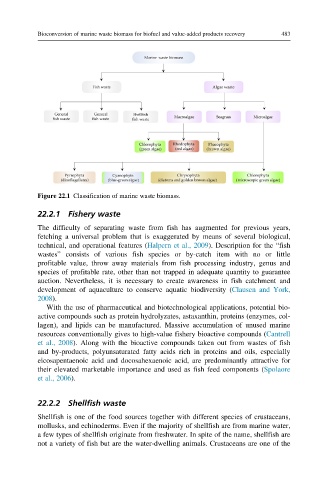
           Figure 22.1 Classification of marine waste biomass.

           22.2.1 Fishery waste
           The difficulty of separating waste from fish has augmented for previous years,
           fetching a universal problem that is exaggerated by means of several biological,
           technical, and operational features (Halpern et al., 2009). Description for the “fish
           wastes” consists of various fish species or by-catch item with no or little
           profitable value, throw away materials from fish processing industry, genus and
           species of profitable rate, other than not trapped in adequate quantity to guarantee
           auction. Nevertheless, it is necessary to create awareness in fish catchment and
           development of aquaculture to conserve aquatic biodiversity (Clausen and York,
           2008).
              With the use of pharmaceutical and biotechnological applications, potential bio-
           active compounds such as protein hydrolyzates, astaxanthin, proteins (enzymes, col-
           lagen), and lipids can be manufactured. Massive accumulation of unused marine
           resources conventionally gives to high-value fishery bioactive compounds (Cantrell
           et al., 2008). Along with the bioactive compounds taken out from wastes of fish
           and by-products, polyunsaturated fatty acids rich in proteins and oils, especially
           eicosapentaenoic acid and docosahexaenoic acid, are predominantly attractive for
           their elevated marketable importance and used as fish feed components (Spolaore
           et al., 2006).


           22.2.2 Shellfish waste
           Shellfish is one of the food sources together with different species of crustaceans,
           mollusks, and echinoderms. Even if the majority of shellfish are from marine water,
           a few types of shellfish originate from freshwater. In spite of the name, shellfish are
           not a variety of fish but are the water-dwelling animals. Crustaceans are one of the

