


Page 244 - Social Marketing for Public Health Global Trends and Success Stories
P. 244
57977_CH09_final.qxd:Cheng  11/5/09  4:42 PM  Page 217


                                                                   Reach of the Commercial Sector  217


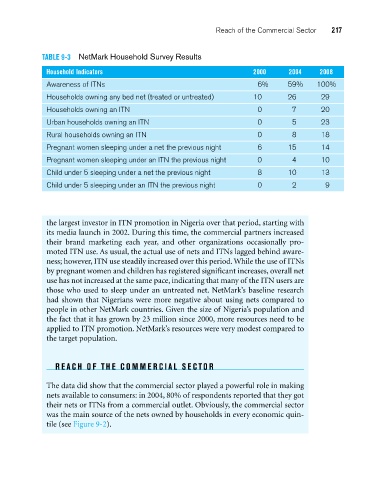
                    TABLE 9-3  NetMark Household Survey Results
                     Household Indicators                                    2000     2004     2008
                     Awareness of ITNs                                        6%      59%     100%
                     Households owning any bed net (treated or untreated)    10       26       29
                     Households owning an ITN                                 0        7       20

                     Urban households owning an ITN                           0        5       23
                     Rural households owning an ITN                           0        8       18
                     Pregnant women sleeping under a net the previous night   6       15       14
                     Pregnant women sleeping under an ITN the previous night  0        4       10
                     Child under 5 sleeping under a net the previous night    8       10       13
                     Child under 5 sleeping under an ITN the previous night   0        2        9


                     the largest investor in ITN promotion in Nigeria over that period, starting with
                     its media launch in 2002. During this time, the commercial partners increased
                     their brand marketing each year, and other organizations occasionally pro-
                     moted ITN use. As usual, the actual use of nets and ITNs lagged behind aware-
                     ness; however, ITN use steadily increased over this period. While the use of ITNs
                     by pregnant women and children has registered significant increases, overall net
                     use has not increased at the same pace, indicating that many of the ITN users are
                     those who used to sleep under an untreated net. NetMark’s baseline research
                     had shown that Nigerians were more negative about using nets compared to
                     people in other NetMark countries. Given the size of Nigeria’s population and
                     the fact that it has grown by 23 million since 2000, more resources need to be
                     applied to ITN promotion. NetMark’s resources were very modest compared to
                     the target population.


                       R E A C H  O F THE C O MMER C I A L S E C TO R

                     The data did show that the commercial sector played a powerful role in making
                     nets available to consumers: in 2004, 80% of respondents reported that they got
                     their nets or ITNs from a commercial outlet. Obviously, the commercial sector
                     was the main source of the nets owned by households in every economic quin-
                     tile (see Figure 9-2).

