


Page 341 - Water Loss Control
P. 341
310    Cha pte r  Ei g h tee n


                                       Pressure Control can be Implemented in Subsectors


                                                     34           33
                                                                           32
                                                         35

                                                Av.. Ermane Marchettl  41  31  Level 700


                                                                     Reservoir
                                                  Rua do Curtume
                                                                      Level 795


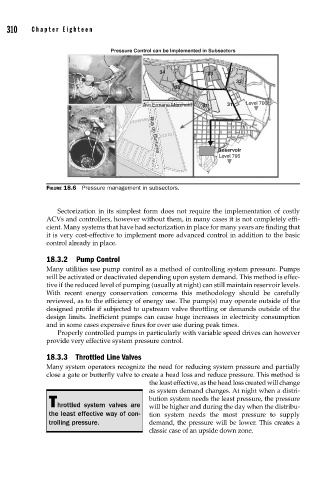
                    FIGURE 18.6  Pressure management in subsectors.


                       Sectorization in its simplest form does not require the implementation of costly
                    ACVs and controllers, however without them, in many cases it is not completely effi-
                    cient. Many systems that have had sectorization in place for many years are finding that
                    it is very cost-effective to implement more advanced control in addition to the basic
                    control already in place.

                    18.3.2 Pump Control
                    Many utilities use pump control as a method of controlling system pressure. Pumps
                    will be activated or deactivated depending upon system demand. This method is effec-
                    tive if the reduced level of pumping (usually at night) can still maintain reservoir levels.
                    With recent energy conservation concerns this methodology should be carefully
                    reviewed, as to the efficiency of energy use. The pump(s) may operate outside of the
                    designed profile if subjected to upstream valve throttling or demands outside of the
                    design limits. Inefficient pumps can cause huge increases in electricity consumption
                    and in some cases expensive fines for over use during peak times.
                       Properly controlled pumps in particularly with variable speed drives can however
                    provide very effective system pressure control.

                    18.3.3 Throttled Line Valves
                    Many system operators recognize the need for reducing system pressure and partially
                    close a gate or butterfly valve to create a head loss and reduce pressure. This method is
                                                  the least effective, as the head loss created will change
                                                  as system demand changes. At night when a distri-
                                                  bution system needs the least pressure, the pressure
                     Throttled system valves are   will be higher and during the day when the distribu-
                     the least effective way of con-  tion system needs the most pressure to supply
                     trolling pressure.           demand, the pressure will be lower. This creates a
                                                  classic case of an upside down zone.

