


Page 278 - Low Temperature Energy Systems with Applications of Renewable Energy
P. 278
264                 Low-Temperature Energy Systems with Applications of Renewable Energy


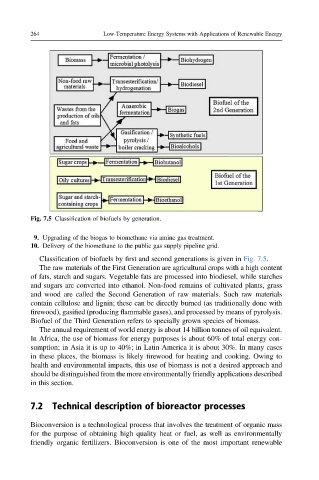
         Fig. 7.5 Classification of biofuels by generation.


          9. Upgrading of the biogas to biomethane via amine gas treatment.
         10. Delivery of the biomethane to the public gas supply pipeline grid.
            Classification of biofuels by first and second generations is given in Fig. 7.5.
            The raw materials of the First Generation are agricultural crops with a high content
         of fats, starch and sugars. Vegetable fats are processed into biodiesel, while starches
         and sugars are converted into ethanol. Non-food remains of cultivated plants, grass
         and wood are called the Second Generation of raw materials. Such raw materials
         contain cellulose and lignin; these can be directly burned (as traditionally done with
         firewood), gasified (producing flammable gases), and processed by means of pyrolysis.
         Biofuel of the Third Generation refers to specially grown species of biomass.
            The annual requirement of world energy is about 14 billion tonnes of oil equivalent.
         In Africa, the use of biomass for energy purposes is about 60% of total energy con-
         sumption; in Asia it is up to 40%; in Latin America it is about 30%. In many cases
         in these places, the biomass is likely firewood for heating and cooking. Owing to
         health and environmental impacts, this use of biomass is not a desired approach and
         should be distinguished from the more environmentally friendly applications described
         in this section.


         7.2   Technical description of bioreactor processes

         Bioconversion is a technological process that involves the treatment of organic mass
         for the purpose of obtaining high quality heat or fuel, as well as environmentally
         friendly organic fertilizers. Bioconversion is one of the most important renewable

