


Page 201 - Sedimentology and Stratigraphy
P. 201
188    Deltas


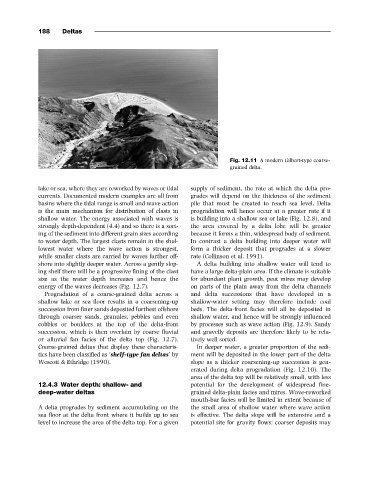
                                                                         Fig. 12.11 A modern Gilbert-type coarse-
                                                                         grained delta.


                  lake or sea, where they are reworked by waves or tidal  supply of sediment, the rate at which the delta pro-
                  currents. Documented modern examples are all from  grades will depend on the thickness of the sediment
                  basins where the tidal range is small and wave action  pile that must be created to reach sea level. Delta
                  is the main mechanism for distribution of clasts in  progradation will hence occur at a greater rate if it
                  shallow water. The energy associated with waves is  is building into a shallow sea or lake (Fig. 12.8), and
                  strongly depth-dependent (4.4) and so there is a sort-  the area covered by a delta lobe will be greater
                  ing of the sediment into different grain sizes according  because it forms a thin, widespread body of sediment.
                  to water depth. The largest clasts remain in the shal-  In contrast a delta building into deeper water will
                  lowest water where the wave action is strongest,  form a thicker deposit that progrades at a slower
                  while smaller clasts are carried by waves further off-  rate (Collinson et al. 1991).
                  shore into slightly deeper water. Across a gently slop-  A delta building into shallow water will tend to
                  ing shelf there will be a progressive fining of the clast  have a large delta-plain area. If the climate is suitable
                  size as the water depth increases and hence the  for abundant plant growth, peat mires may develop
                  energy of the waves decreases (Fig. 12.7).  on parts of the plain away from the delta channels
                    Progradation of a coarse-grained delta across a  and delta successions that have developed in a
                  shallow lake or sea floor results in a coarsening-up  shallow-water setting may therefore include coal
                  succession from finer sands deposited furthest offshore  beds. The delta-front facies will all be deposited in
                  through coarser sands, granules, pebbles and even  shallow water, and hence will be strongly influenced
                  cobbles or boulders at the top of the delta-front  by processes such as wave action (Fig. 12.9). Sandy
                  succession, which is then overlain by coarse fluvial  and gravelly deposits are therefore likely to be rela-
                  or alluvial fan facies of the delta top (Fig. 12.7).  tively well sorted.
                  Coarse-grained deltas that display these characteris-  In deeper water, a greater proportion of the sedi-
                  tics have been classified as ‘shelf-type fan deltas’by  ment will be deposited in the lower part of the delta
                  Wescott & Ethridge (1990).                  slope as a thicker coarsening-up succession is gen-
                                                              erated during delta progradation (Fig. 12.10). The
                                                              area of the delta top will be relatively small, with less
                  12.4.3 Water depth: shallow- and            potential for the development of widespread fine-
                  deep-water deltas                           grained delta-plain facies and mires. Wave-reworked
                                                              mouth-bar facies will be limited in extent because of
                  A delta progrades by sediment accumulating on the  the small area of shallow water where wave action
                  sea floor at the delta front where it builds up to sea  is effective. The delta slope will be extensive and a
                  level to increase the area of the delta top. For a given  potential site for gravity flows: coarser deposits may

