


Page 204 - Sedimentology and Stratigraphy
P. 204
Variations in Delta Morphology and Facies  191


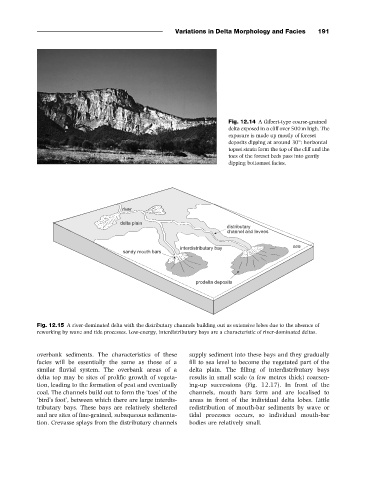
                                                                         Fig. 12.14 A Gilbert-type coarse-grained
                                                                         delta exposed in a cliff over 500 m high. The
                                                                         exposure is made up mostly of foreset
                                                                         deposits dipping at around 308: horizontal
                                                                         topset strata form the top of the cliff and the
                                                                         toes of the foreset beds pass into gently
                                                                         dipping bottomset facies.


                 Fig. 12.15 A river-dominated delta with the distributary channels building out as extensive lobes due to the absence of
                 reworking by wave and tide processes. Low-energy, interdistributary bays are a characteristic of river-dominated deltas.


                 overbank sediments. The characteristics of these  supply sediment into these bays and they gradually
                 facies will be essentially the same as those of a  fill to sea level to become the vegetated part of the
                 similar fluvial system. The overbank areas of a  delta plain. The filling of interdistributary bays
                 delta top may be sites of prolific growth of vegeta-  results in small scale (a few metres thick) coarsen-
                 tion, leading to the formation of peat and eventually  ing-up successions (Fig. 12.17). In front of the
                 coal. The channels build out to form the ‘toes’ of the  channels, mouth bars form and are localised to
                 ‘bird’s foot’, between which there are large interdis-  areas in front of the individual delta lobes. Little
                 tributary bays. These bays are relatively sheltered  redistribution of mouth-bar sediments by wave or
                 and are sites of fine-grained, subaqueous sedimenta-  tidal processes occurs, so individual mouth-bar
                 tion. Crevasse splays from the distributary channels  bodies are relatively small.

