


Page 385 - Sustainable On-Site CHP Systems Design, Construction, and Operations
P. 385
358    Ca s e  S t u d y 4


                             Absorber steam input  25,000 lb/h of steam
                             Absorber output       1,400 tons refrigeration
                             Absorber efficiency   18 lb of steam/ton-h
                             Electric chiller efficiency  0.7 kW/ton

                           TABLE 22-3  Absorption Chiller Performance Data


                 160,000


                 140,000

                 120,000


                Steam load (lb/h)  100,000                                     Campus

                 80,000
                                                                               Absorber
                 60,000


                 40,000

                 20,000

                     0
                     1-Jan 1-Feb 1-Mar 1-Apr 1-May 1-Jun 1-Jul 1-Aug 1-Sep 1-Oct 1-Nov 1-Dec
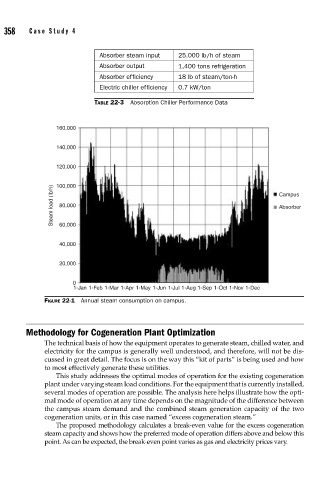
             FIGURE 22-1  Annual steam consumption on campus.


        Methodology for Cogeneration Plant Optimization
             The technical basis of how the equipment operates to generate steam, chilled water, and
             electricity for the campus is generally well understood, and therefore, will not be dis-
             cussed in great detail. The focus is on the way this “kit of parts” is being used and how
             to most effectively generate these utilities.
                This study addresses the optimal modes of operation for the existing cogeneration
             plant under varying steam load conditions. For the equipment that is currently installed,
             several modes of operation are possible. The analysis here helps illustrate how the opti-
             mal mode of operation at any time depends on the magnitude of the difference between
             the campus steam demand and the combined steam generation capacity of the two
             cogeneration units, or in this case named “excess cogeneration steam.”
                The proposed methodology calculates a break-even value for the excess cogeneration
             steam capacity and shows how the preferred mode of operation differs above and below this
             point. As can be expected, the break-even point varies as gas and electricity prices vary.

