


Page 170 - The CNN Effect in Action - How the News Media Pushed the West toward War ini Kosovo
P. 170
1403975191ts08.qxd  19-2-07  05:08 PM  Page 135
                                                                             THE KOSOVO CRISIS—THE MICRO REVIEW
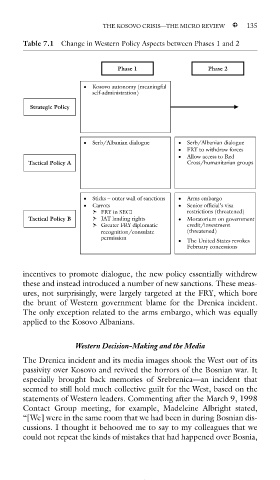
                                                         Table 7.1 Change in Western Policy Aspects between Phases 1 and 2
                                                                                Phase 1
                                                                                                       Phase 2
                                                                        •
                                                                          Kosovo autonomy (meaningful
                                                                          self-administration)
                                                          Strategic Policy
                                                                        •
                                                                          Serb/Albanian dialogue
                                                                                                  FRY to withdraw forces
                                                                                                  Allow access to Red
                                                                                                  Cross/humanitarian groups
                                                          Tactical Policy A
                                                                        •
                                                                                                  Arms embargo
                                                                          Sticks – outer wall of sanctions
                                                                        •
                                                                                                  Senior official’s visa
                                                                          Carrots
                                                                                                  restrictions (threatened)
                                                                            FRY in SECI
                                                          Tactical Policy B
                                                                            JAT landing rights
                                                                                                  Moratorium on government
                                                                            Greater FRY diplomatic
                                                                                                  credit/investment
                                                                                                  (threatened)
                                                                            recognition/consulate
                                                                            permission          • • • • • •  Serb/Albanian dialogue    135
                                                                                                •  The United States revokes
                                                                                                  February concessions
                                                         incentives to promote dialogue, the new policy essentially withdrew
                                                         these and instead introduced a number of new sanctions. These meas-
                                                         ures, not surprisingly, were largely targeted at the FRY, which bore
                                                         the brunt of Western government blame for the Drenica incident.
                                                         The only exception related to the arms embargo, which was equally
                                                         applied to the Kosovo Albanians.
                                                                      Western Decision-Making and the Media
                                                         The Drenica incident and its media images shook the West out of its
                                                         passivity over Kosovo and revived the horrors of the Bosnian war. It
                                                         especially brought back memories of Srebrenica—an incident that
                                                         seemed to still hold much collective guilt for the West, based on the
                                                         statements of Western leaders. Commenting after the March 9, 1998
                                                         Contact Group meeting, for example, Madeleine Albright stated,
                                                         “[We] were in the same room that we had been in during Bosnian dis-
                                                         cussions. I thought it behooved me to say to my colleagues that we
                                                         could not repeat the kinds of mistakes that had happened over Bosnia,

