


Page 406 - Applied Process Design For Chemical And Petrochemical Plants Volume III
P. 406
66131_Ludwig_CH11A  5/30/2001 4:51 PM  Page 363


                                                                Refrigeration Systems                                      363


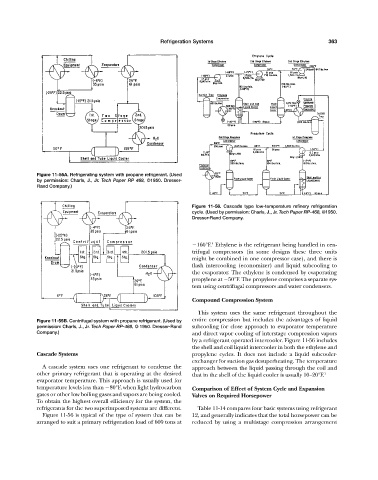
                     Figure 11-55A. Refrigerating system with propane refrigerant. (Used
                     by permission: Charls, J., Jr. Tech Paper RP 468, ©1950. Dresser-
                     Rand Company.)


                                                                           Figure 11-56.  Cascade type low-temperature refinery refrigeration
                                                                           cycle. (Used by permission: Charls, J., Jr. Tech Paper RP-468, ©1950.
                                                                           Dresser-Rand Company.


                                                                                  4
                                                                            160°F. Ethylene is the refrigerant being handled in cen-
                                                                           trifugal compressors (in some designs these three units
                                                                           might be combined in one compressor case), and there is
                                                                           flash intercooling (economizer) and liquid subcooling to
                                                                           the evaporator. The ethylene is condensed by evaporating
                                                                           propylene at  50°F. The propylene comprises a separate sys-
                                                                           tem using centrifugal compressors and water condensers.

                                                                           Compound Compression System

                                                                             This system uses the same refrigerant throughout the
                     Figure 11-55B. Centrifugal system with propane refrigerant. (Used by  entire compression but includes the advantages of liquid
                     permission: Charls, J., Jr. Tech Paper RP-468, © 1950. Dresser-Rand  subcooling for close approach to evaporator temperature
                     Company.)                                             and direct vapor cooling of interstage compression vapors
                                                                           by a refrigerant operated intercooler. Figure 11-56 includes
                                                                           the shell and coil liquid intercooler in both the ethylene and
                     Cascade Systems                                       propylene cycles. It does not include a liquid subcooler-
                                                                           exchanger for suction gas desuperheating. The temperature
                       A cascade system uses one refrigerant to condense the  approach between the liquid passing through the coil and
                     other primary refrigerant that is operating at the desired  that in the shell of the liquid cooler is usually 10—20°F. 1
                     evaporator temperature. This approach is usually used for
                     temperature levels less than  80°F, when light hydrocarbon  Comparison of Effect of System Cycle and Expansion
                     gases or other low boiling gases and vapors are being cooled.  Valves on Required Horsepower
                     To obtain the highest overall efficiency for the system, the
                     refrigerants for the two superimposed systems are different.  Table 11-14 compares four basic systems using refrigerant
                       Figure 11-56 is typical of the type of system that can be  12, and generally indicates that the total horsepower can be
                     arranged to suit a primary refrigeration load of 600 tons at  reduced by using a multistage compression arrangement

